Wyoming draws travelers with Yellowstone's geysers, Grand Teton's peaks, hot spring towns like Thermopolis, and wide-open high-desert highways. With 15 carefully selected 3-star hotels spread across the state - from Cheyenne in the southeast to Wapiti near Yellowstone's east entrance - this guide helps you match your itinerary to the right property, city by city.
What It's Like Staying in Wyoming
Wyoming is the least populous U.S. state, which means crowds at gas stations, restaurants, and even national park gateways can shift dramatically between June-August and the shoulder months. Distances between towns regularly exceed 100 kilometers, so your hotel location isn't just a comfort decision - it's a logistical one that determines which attractions you can realistically reach each day. Most travelers need a car; Amtrak doesn't serve Wyoming, and bus connections between cities are sparse.
The state rewards visitors who plan anchor points strategically: base yourself in Cheyenne for the southeast, Rawlins or Rock Springs for I-80 corridor travel, Thermopolis for the hot springs basin, Buffalo for the Bighorn foothills, or Wapiti for direct Yellowstone access. Accommodation fills fast in July and August, particularly near park entrances, while winter outside of ski areas sees steep rate drops.
Pros:
- Unmatched access to Yellowstone, Grand Teton, Devils Tower, and hot spring destinations all within one state road trip
- 3-star hotels across Wyoming consistently offer free parking - critical given that driving is the only practical way to get around
- Low population density means far less urban noise and congestion than comparable Rocky Mountain destinations
Cons:
- Driving distances between major sites are long - a single day can require covering over 200 km between stops
- Dining options in smaller towns like Rawlins or Wheatland are limited outside the hotel itself
- Wildlife activity, especially near Yellowstone, can cause significant road delays with no alternative routes
Why Choose 3-Star Hotels in Wyoming
In Wyoming, 3-star hotels occupy a particularly useful middle ground: they're substantially better equipped than roadside motels - most include indoor pools, hot tubs, fitness centers, and complimentary breakfast - while remaining far more accessible in price than Jackson Hole's luxury lodges, which can run well above $400 per night in peak season. A 3-star stay in towns like Rawlins or Rock Springs typically costs around 60% less than equivalent comfort near Jackson, making them the go-to choice for road-trippers covering the full state.
Room sizes in Wyoming's 3-star tier are generally generous by national standards - many properties offer suite-style layouts with kitchenettes or full kitchens, which matters enormously on multi-day Wyoming road trips where grocery stops replace expensive restaurant meals. Most 3-star hotels in the state are affiliated with major chains - Hampton Inn, Best Western, Holiday Inn Express, Marriott - giving travelers predictable quality and loyalty point accrual across very different towns.
Pros:
- Most 3-star properties in Wyoming include complimentary breakfast, cutting daily travel costs significantly on long itineraries
- Chain affiliations provide consistent room standards even in remote locations like Powell or Wheatland
- Kitchenette and suite options are common in this tier, reducing reliance on limited local restaurant options
Cons:
- Properties in smaller towns may have limited on-site dining beyond breakfast, with few walkable alternatives nearby
- Indoor pool areas can get congested during peak summer travel weeks, particularly in family-oriented chain hotels
- 3-star hotels in gateway towns like Cody or Wapiti book out weeks in advance for July - last-minute availability is rare
Practical Booking & Area Strategy for Wyoming
Cheyenne, Wyoming's capital, functions as the best base for travelers arriving by air or coming from Colorado - Cheyenne Regional Airport is about 4 km from several hotels featured here, and the Wyoming State Capitol is within a short drive. For Yellowstone-bound travelers, Wapiti and Powell in the north are critical overnight stops: Yellowstone Regional Airport sits just 34-36 km from both towns, and routing through these points saves hours versus driving from Cody or further south each day. Thermopolis, positioned in the center of the state, works well as a midpoint rest on north-south journeys and offers a unique draw - the world's largest mineral hot springs, accessible directly from hot spring hotels.
Rawlins and Rock Springs along I-80 are practical overnight stops for cross-country drivers rather than destination stays - book these to break long drives, not to explore. Book Wyoming hotels at least 6 weeks ahead for any travel between late June and mid-August; Frontier Days in Cheyenne (late July) causes a full sellout across the entire southeast region. Afton in the Star Valley, where Kodiak Mountain Resort is located, offers a quieter alternative for travelers heading toward Grand Teton's western approach with significantly less competition for rooms.
Best Value 3-Star Stays in Wyoming
These properties deliver strong amenity packages - pools, breakfast, free parking, and accessible locations - at price points that suit road-trip budgets and extended Wyoming itineraries.
-
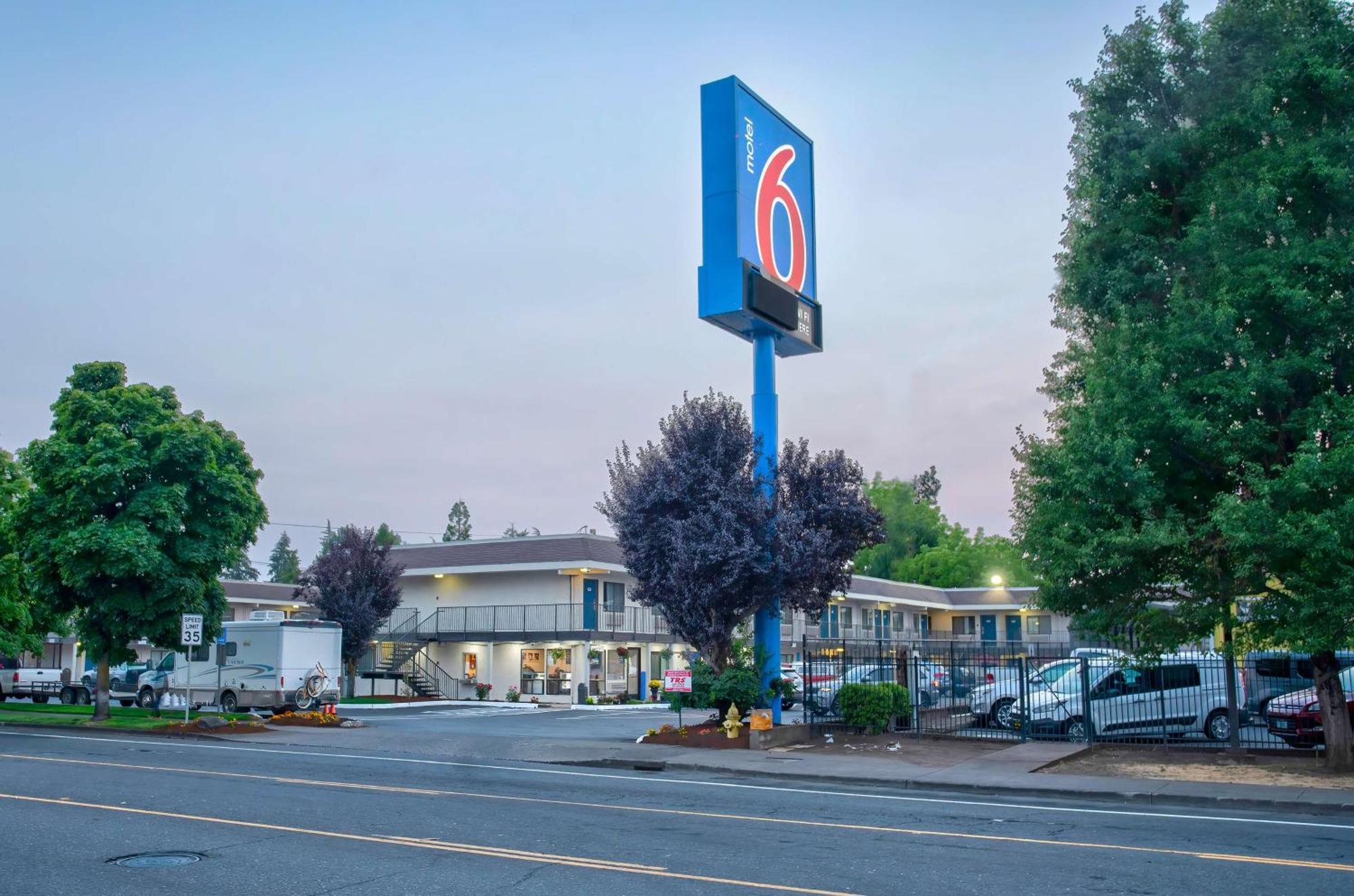
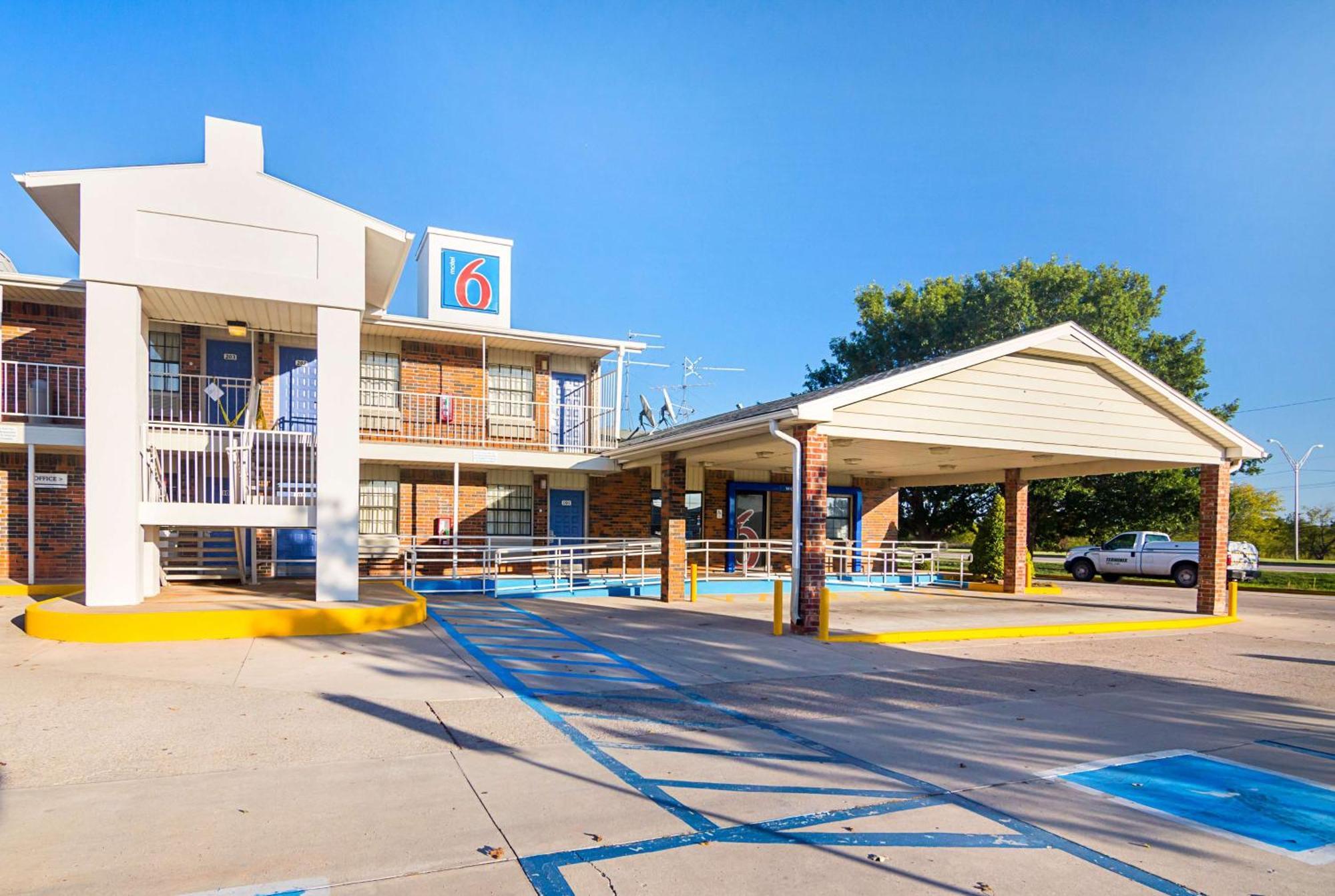
1. Riviera Motor Lodge
Show on map


 Check-infrom 15:00 until 21:00Check-outfrom 08:00 until 11:00
Just a few rooms left at the best rate!
fromUS$ 69
-
2. Best Western Cotton Tree Inn
Show on map


 Check-infrom 15:00 until 23:59Check-outuntil 11:00
Just a few rooms left at the best rate!
fromUS$ 159
-
3. Holiday Inn Express Rawlins By Ihg
Show on map


 Check-infrom 15:00 until 23:59Check-outuntil 11:00
Hurry – almost gone at this price!
fromUS$ 119
-
4. Fairfield Inn & Suites By Marriott Rawlins
Show on map


 Check-infrom 15:00 until 23:59Check-outuntil 11:00
Best price guarantee
fromUS$ 143
-
5. Best Western Outlaw Inn
Show on map


 Check-infrom 15:00 until 23:59Check-outuntil 11:00
Hurry – almost gone at this price!
fromUS$ 100
-
6. Super 8 By Wyndham Powell
Show on map


 Check-infrom 15:00 until 23:59Check-outuntil 11:00
Best price guarantee
fromUS$ 70
-
7. Best Western Torchlite
Show on map


 Check-infrom 15:00 until 23:59Check-outuntil 11:00
Best price guarantee
fromUS$ 90
Best Premium 3-Star Stays in Wyoming
These properties stand out within the 3-star tier for their location advantages, superior amenity depth, suite-style rooms, or unique experiential features - particularly useful for travelers who want more than a functional stopover.
-
8. Home2 Suites By Hilton Cheyenne
Show on map


 Check-infrom 15:00 until 23:59Check-outuntil 11:00
Rooms filling fast – secure the best rate!
fromUS$ 129
-
9. Hampton Inn & Suites Buffalo
Show on map


 Check-infrom 15:00 until 23:59Check-outuntil 11:00
Hurry – almost gone at this price!
fromUS$ 97
-
10. Hot Springs Hotel & Spa
Show on map


 Check-infrom 15:00 until 23:59Check-outuntil 11:00
Best price guarantee
fromUS$ 80
-
11. Kodiak Mountain Resort
Show on map


 Check-infrom 15:00 until 22:00Check-outfrom 08:00 until 11:00
Rooms filling fast – secure the best rate!
fromUS$ 176
-
5. Best Western Plus Plaza Hotel
Show on map


 Check-infrom 15:00 until 23:59Check-outuntil 11:00
Just a few rooms left at the best rate!
fromUS$ 92
-
6. TownePlace Suites Cheyenne Southwest/Downtown Area
Show on map


 Check-infrom 16:00 until 23:59Check-outuntil 12:00
Best price guarantee
fromUS$ 237
-
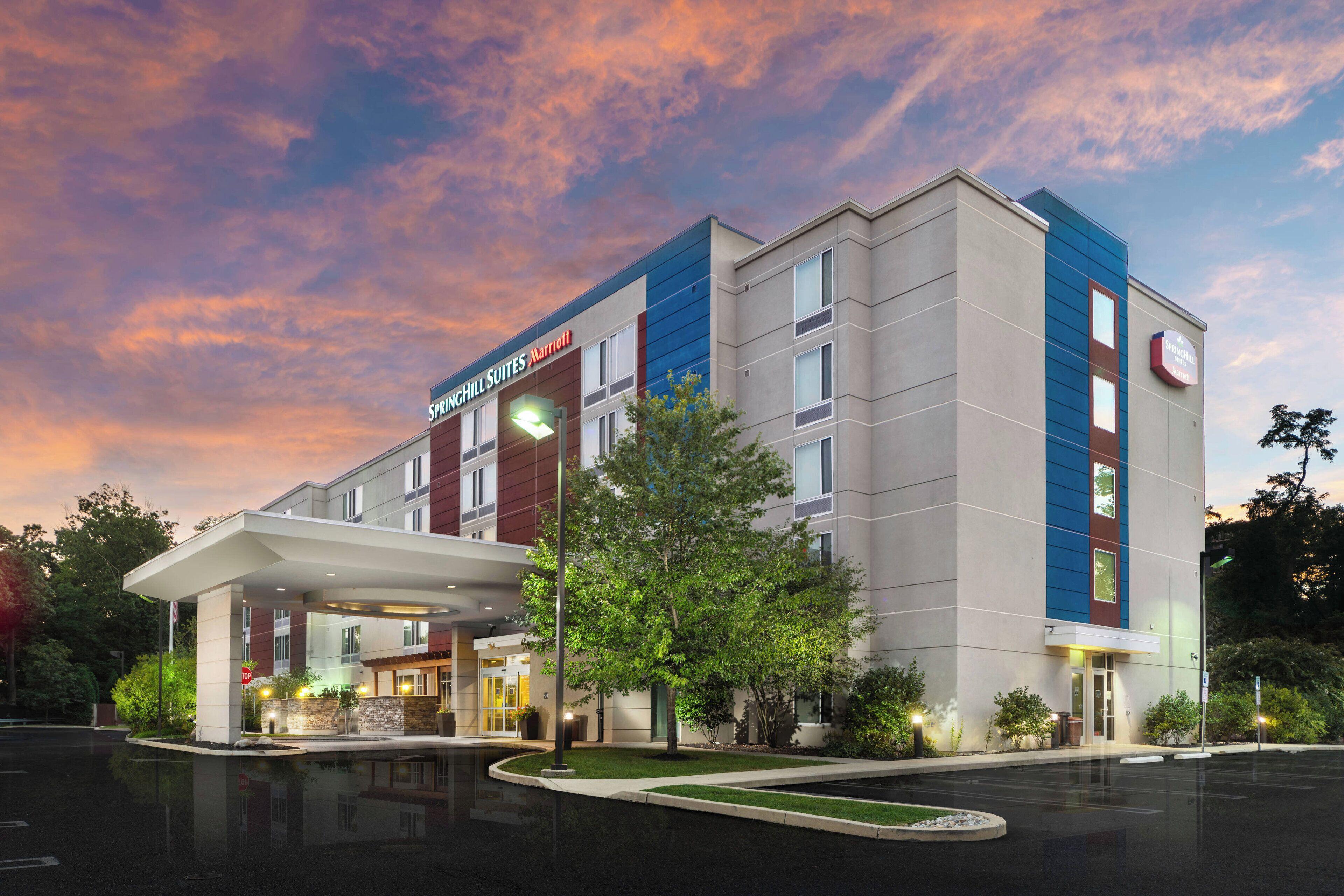
7. Springhill Suites By Marriott Cheyenne
Show on map


 Check-infrom 15:00 until 23:59Check-outuntil 11:00
Just a few rooms left at the best rate!
fromUS$ 160
-
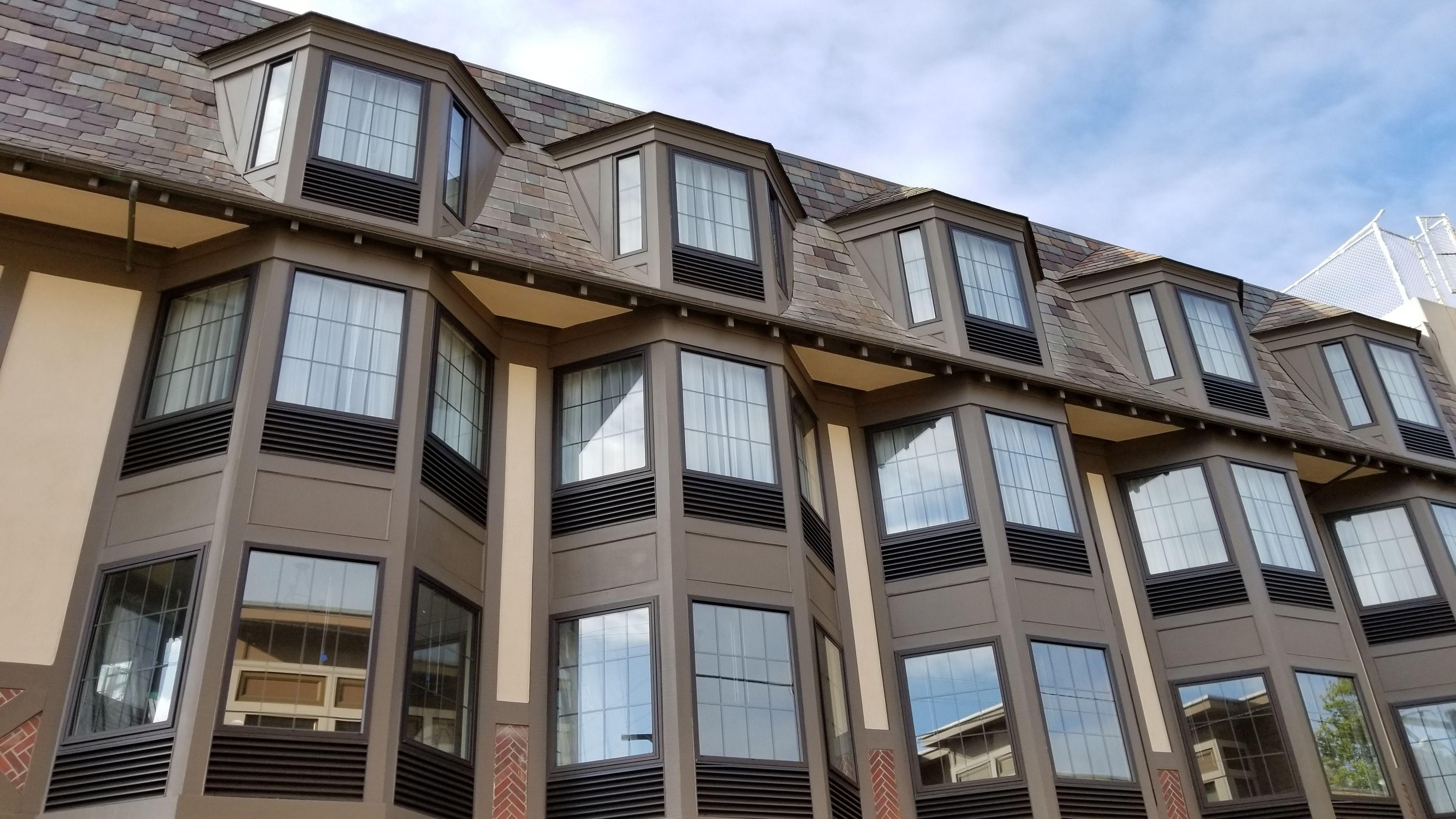
8. The Historic Wapiti Lodge
Show on map


 Check-infrom 16:00 until 20:00Check-outuntil 10:00
Rooms filling fast – secure the best rate!
fromUS$ 206
Smart Travel Timing and Booking Strategy for Wyoming
Wyoming's travel calendar splits into three distinct phases, and your hotel strategy should shift accordingly. Peak season runs from late June through mid-August - during this window, gateway hotels near Yellowstone (Wapiti, Powell) and Cheyenne (especially during Frontier Days, the last full week of July) sell out weeks in advance, and rates can climb around 40% above shoulder pricing. Book at least 6 weeks ahead for any July stay, particularly for properties near national park entrances or Thermopolis, where the hot springs draw a steady summer crowd.
The shoulder seasons - late May through mid-June and September through mid-October - offer the best value-to-experience ratio: roads are clear, wildlife is active, and most 3-star hotels maintain full amenity operations including pools and breakfast while pricing more competitively. Winter (November through March) brings the sharpest rate drops in I-80 corridor towns like Rawlins and Rock Springs, but Yellowstone is partially accessible only by snowcoach or snowmobile, limiting the case for Wapiti or Powell stays. Afton's Kodiak Mountain Resort benefits from Star Valley's year-round appeal, with cross-country skiing adding winter relevance. For most Wyoming itineraries, a minimum of 5 nights is needed to meaningfully cover two anchor regions without spending most of each day driving.