Virginia spans from the Atlantic coast to the Appalachian Mountains, covering historic colonial towns, university cities, and rural landscapes that each attract a distinct type of traveler. Whether you're arriving for Civil War heritage sites, Shenandoah Valley hiking, or a business stay near Richmond, the state's design-forward hotels offer more than standard lodging - they reflect the character of their specific location. This guide covers 9 hotels across Virginia with standout facilities, strategic positioning, and real booking value.
What It's Like Staying in Virginia
Virginia is one of the most geographically and culturally diverse states on the East Coast, stretching from the Chesapeake Bay shoreline through the Blue Ridge Mountains to the Appalachian plateau. Getting around requires a car in most areas outside of Northern Virginia - public transit is limited outside the D.C. metro corridor and the Hampton Roads region. Crowds tend to peak during fall foliage season in the Shenandoah Valley and during summer weekends on the coast, with occupancy rates climbing around 30% above average in October across mountain destinations.
Pros:
- Exceptional variety of landscapes and activities within a single state - hiking, beaches, history, and wine country
- Strong interstate highway network connecting cities like Richmond, Norfolk, Lynchburg, and Abingdon
- Year-round travel appeal with distinct seasonal draws in each region
Cons:
- Most regions are car-dependent, making airport transfers and day trips logistically demanding
- Coastal and mountain areas can book out weeks in advance during peak fall and summer periods
- Temperature swings between the coast and the highlands mean packing for one climate rarely covers the whole trip
Why Choose Design Hotels in Virginia
Virginia's design-forward hotels sit at the intersection of regional character and practical amenity - properties here don't just offer aesthetic value, they tend to integrate local context: mountain views in Waynesboro, proximity to university campuses in Farmville and Lynchburg, or easy access to outdoor recreation around Abingdon. These hotels typically offer indoor pools, fitness centers, and on-site dining that purely budget motels in the same cities lack, often at only a modest price premium. The trade-off is that design or elevated hotels in smaller Virginia cities may be limited in number, so availability during local events - college graduations, racing weekends near Bristol, or festival seasons - can drop to near zero within days of the event.
Pros:
- Properties in this category consistently include amenities like fitness centers, indoor pools, and on-site food and beverage options
- Locations are chosen for proximity to key regional draws - universities, NASCAR venues, national forests, and historic districts
- Many properties cater to both leisure and business travelers, offering business centers alongside recreational facilities
Cons:
- Smaller Virginia cities have limited competition in this category, which can reduce incentive for competitive pricing
- Properties positioned for university or event proximity may be noisier during peak academic or racing seasons
- Some locations require a 20-30 minute drive to reach major attractions, adding time and transport cost
Practical Booking & Area Strategy
Virginia's geography means hotel strategy varies significantly by region. Richmond and its suburbs like Short Pump offer the densest concentration of mid-range properties with easy interstate access - useful for travelers splitting time between Northern Virginia and the coast. In the Shenandoah Valley, Waynesboro and Staunton serve as natural base camps for both Skyline Drive and the Blue Ridge Parkway. Further southwest, Abingdon and Bristol sit near the Virginia Creeper Trail and Bristol Motor Speedway, with booking windows that compress sharply around race weekends. For travelers heading toward the Hampton Roads area - Norfolk, Suffolk, Chesapeake - the Norfolk Botanical Garden and the Virginia Beach oceanfront are within 30 to 50 kilometers of several strong hotel options, making Suffolk a cost-effective base. In Dahlgren, proximity to the Naval Surface Warfare Center drives strong demand on weekdays, so leisure travelers tend to find better rates over weekends.
Best Value Stays
These properties offer strong amenity packages at accessible price points, well-positioned for regional exploration across central and southwestern Virginia.
-
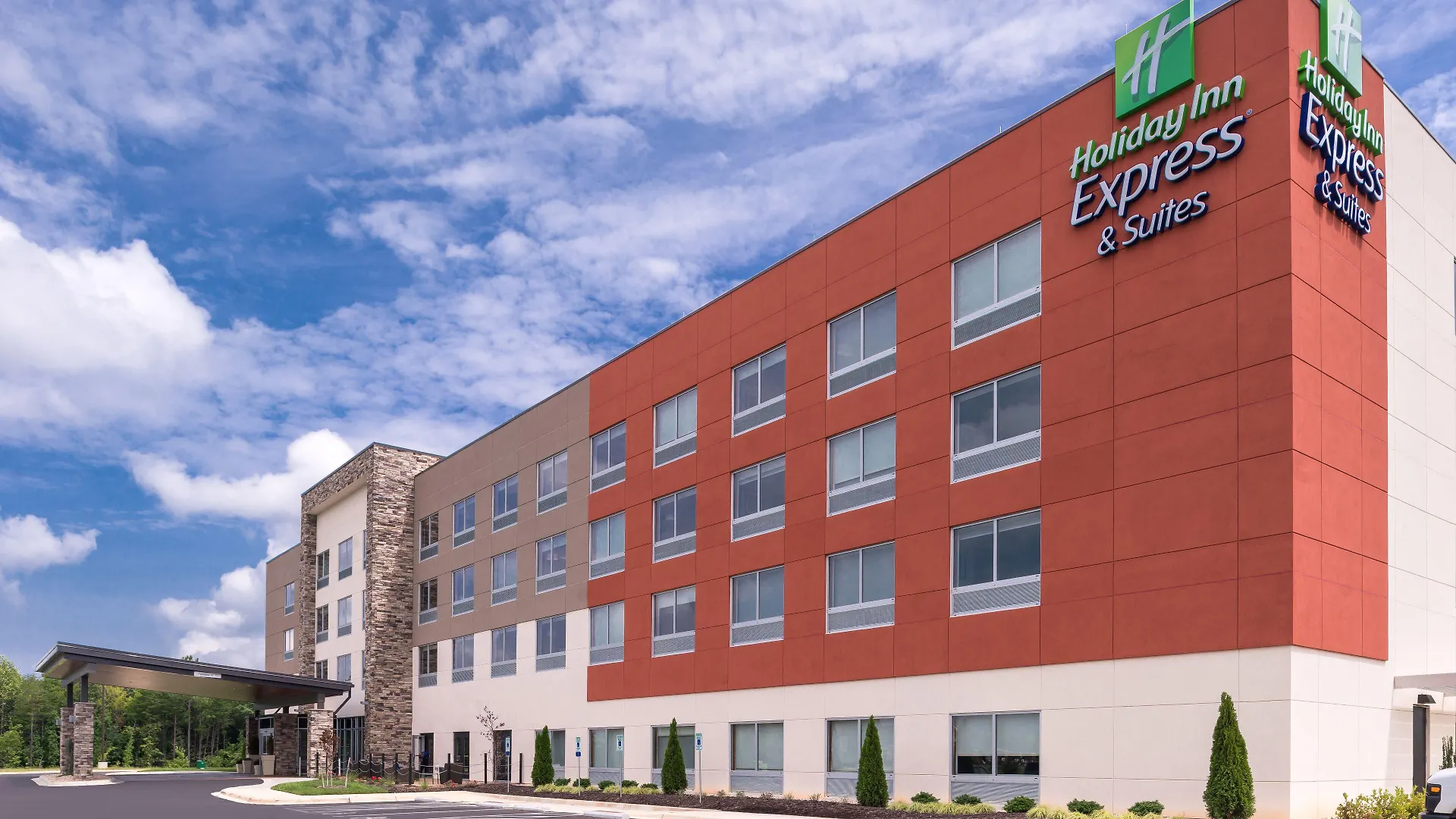
1. Holiday Inn Express & Suites Farmville By Ihg
Show on map


 Check-infrom 15:00 until 23:59Check-outuntil 11:00
Just a few rooms left at the best rate!
fromUS$ 152
-
2. Wingate By Wyndham Richmond Short Pump
Show on map


 Check-infrom 15:00 until 23:59Check-outuntil 12:00
Hurry – almost gone at this price!
fromUS$ 102
-
3. Hampton Inn Petersburg - Southpark Mall
Show on map


 Check-infrom 15:00 until 23:00Check-outuntil 11:00
Rooms filling fast – secure the best rate!
fromUS$ 106
-
4. Fairfield Inn & Suites By Marriott Abingdon
Show on map


 Check-infrom 15:00 until 23:59Check-outuntil 12:00
Rooms filling fast – secure the best rate!
fromUS$ 129
-
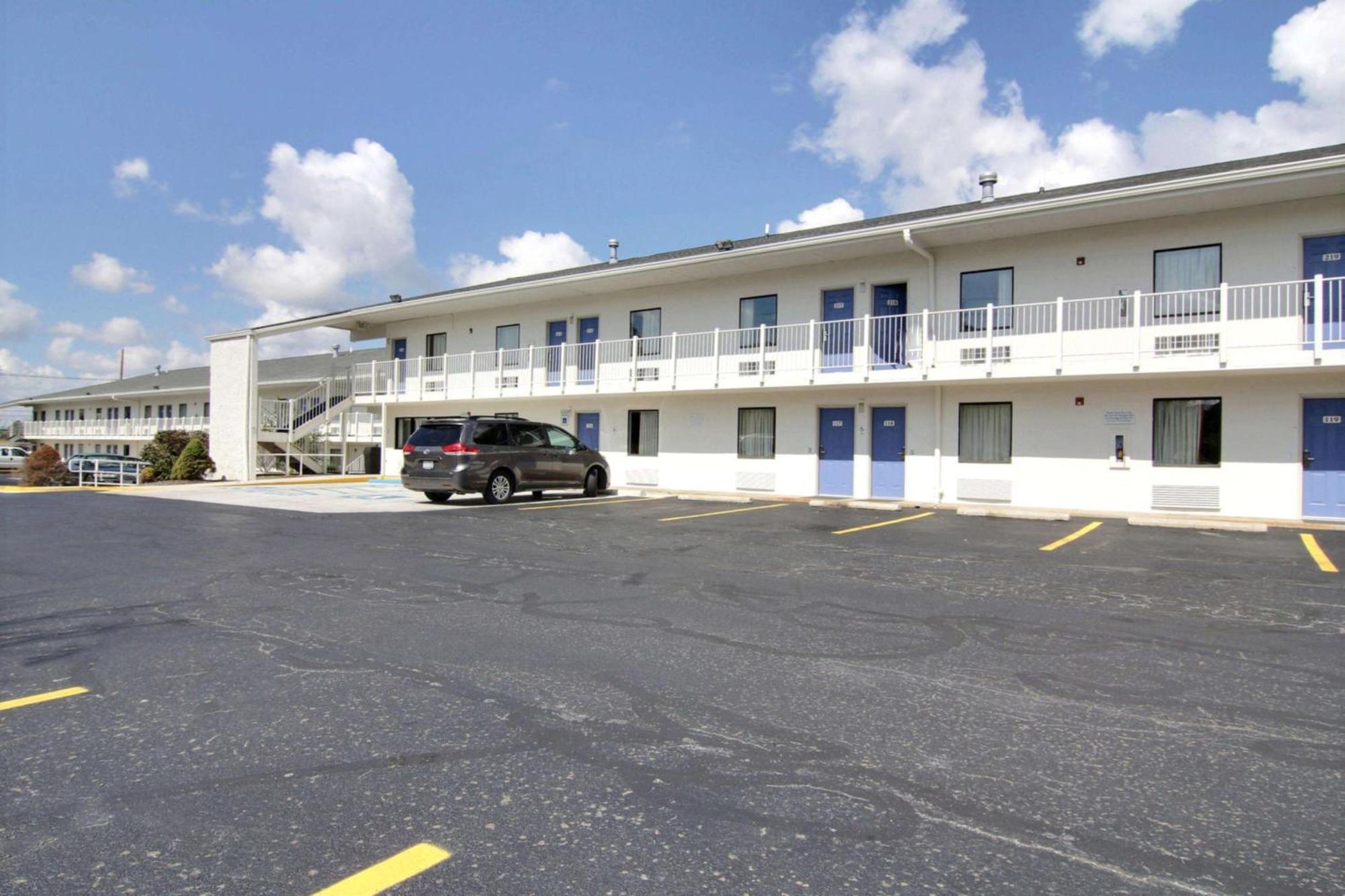
5. Motel 6-Bristol, Va
Show on map


 Check-infrom 14:00 until 23:59Check-outuntil 11:00
Best price guarantee
fromUS$ 193
Best Premium Stays
These properties offer elevated amenity sets, distinctive settings, or strategic proximity to Virginia's most visited destinations - suited to travelers who want more than a functional overnight stop.
-
6. Courtyard By Marriott Suffolk Chesapeake
Show on map


 Check-infrom 15:00 until 23:59Check-outuntil 12:00
Just a few rooms left at the best rate!
fromUS$ 202
-
7. Bella Vista Hotel & Suites
Show on map


 Check-infrom 16:00 until 23:59Check-outuntil 11:00
Hurry – almost gone at this price!
fromUS$ 99
-
3. Hampton Inn Dahlgren
Show on map


 Check-infrom 15:00 until 23:59Check-outuntil 11:00
Hurry – almost gone at this price!
fromUS$ 125
-
4. Iris Inn And Cabins
Show on map


 Check-infrom 16:00 until 23:59Check-outfrom 10:00 until 11:00
Just a few rooms left at the best rate!
fromUS$ 796
Smart Travel & Timing Advice for Virginia Hotels
Virginia's travel seasons are sharply segmented by region. Fall - particularly October - is the single most competitive booking period across the Shenandoah Valley and Blue Ridge Parkway corridor, when foliage draws visitors from across the mid-Atlantic. In southwestern Virginia near Abingdon and Bristol, NASCAR race weekends compress availability dramatically - properties within 50 km of Bristol Motor Speedway can sell out around 6 weeks in advance. Summer brings peak demand to the Hampton Roads and Virginia Beach areas, while Richmond and Lynchburg see spikes around university graduation weekends in May. The lowest-rate windows in most Virginia cities fall in January and February, when both leisure and business travel drop significantly. For stays of more than two nights in mountain or rural areas, booking directly through hotel websites may unlock better rates than third-party platforms during shoulder season. A stay of around 3 nights is the practical minimum for covering the Shenandoah Valley properly, while Hampton Roads destinations can be covered in 2 nights from a central base like Suffolk.