
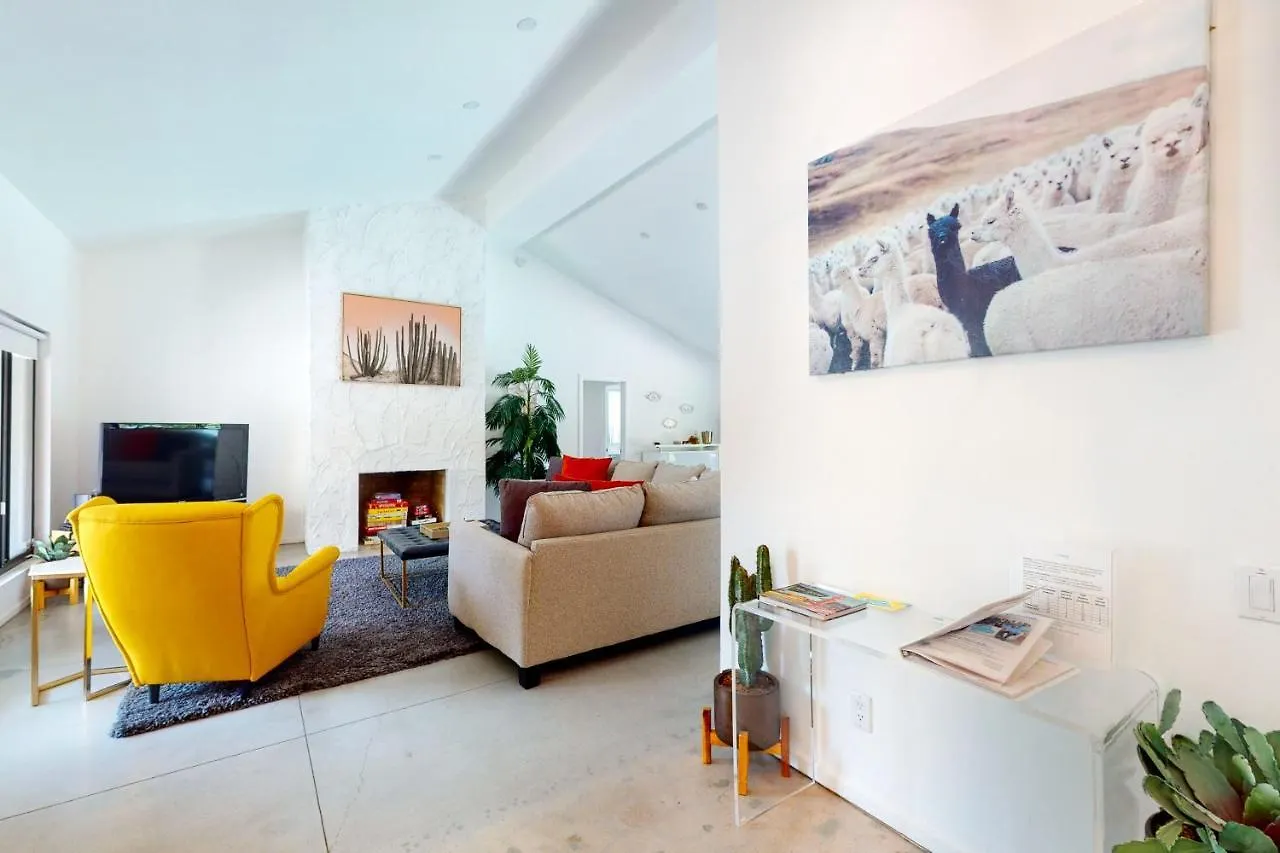
California's sheer size means that choosing a holiday home hotel here is less about picking a state and more about picking a world: desert retreats in Palm Springs, oceanfront escapes in Malibu, alpine cabins in Big Bear, or storybook villages in Leavenworth. Private vacation rentals and holiday home hotels have become the dominant lodging choice for travelers who want space, privacy, and a kitchen - without the sterile feel of a chain hotel room.
What It's Like Staying in California
California is the most visited state in the U.S., drawing tens of millions of domestic and international travelers each year to a landscape that shifts from Mojave desert floors to Pacific coastlines to Sierra Nevada peaks - often within a few hours' drive. Driving is essential: public transit is limited outside Los Angeles and San Francisco, and most holiday home destinations require a car. Crowd patterns vary sharply by region - coastal spots like Malibu are busiest June through August, while desert destinations like Palm Springs peak in winter and spring when temperatures are bearable.
Holiday home travelers benefit most from California's diversity: a single trip can combine beach, mountain, and desert stays without leaving the state. Travelers expecting walkable, transit-friendly neighborhoods may find some holiday home locations isolating without a vehicle.
Pros:
- Unmatched geographic diversity - desert, coast, mountains, and forest all accessible within one state
- Holiday homes in California typically offer more square footage and outdoor space than equivalent hotel rooms at similar price points
- Strong year-round demand means well-maintained private rental properties with competitive amenities
Cons:
- A car is non-negotiable for most holiday home locations - rental costs add to the overall trip budget
- Peak season (summer on the coast, winter in the mountains) can push nightly rates up by around 60% compared to shoulder season
- Wildfire smoke can affect air quality in mountain and inland areas, particularly August through October
Why Choose Holiday Home Hotels in California
Holiday home hotels in California fill a distinct gap between standard hotels and full vacation rentals: they offer the privacy and space of a standalone property - often with a full kitchen, private deck, and outdoor area - while retaining some of the reliability and booking structure of a hotel listing. In California's top leisure destinations, this category consistently outperforms traditional hotels for groups of 3 or more travelers, where splitting a multi-bedroom home significantly reduces the per-person cost. Room sizes in California holiday homes typically start around 800 square feet and scale up, compared to a standard hotel room averaging under 350 square feet.
The trade-off is self-sufficiency: no daily housekeeping, no on-site restaurant, and check-in is often keyless and remote. For destination stays in Big Bear, Palm Springs, or Malibu, where the experience IS the property and surroundings rather than the hotel facilities, this trade-off is rarely a disadvantage.
Pros:
- Full kitchen and living areas make multi-night stays significantly more comfortable and cost-efficient than hotel rooms
- Private outdoor spaces - hot tubs, decks, BBQs - are standard in California's leisure-focused holiday home market
- Properties are typically located in scenic or destination-specific zones (beachfront, mountain, desert) rather than commercial hotel corridors
Cons:
- No daily housekeeping or on-site staff means issues require remote communication with the host or manager
- Minimum stay requirements (often around 2-3 nights) reduce flexibility for short overnight trips
- Cleaning fees and local tourist taxes can add a significant amount to the advertised nightly rate at checkout
Practical Booking & Area Strategy
California's holiday home markets each operate on different seasonal cycles, and booking strategy should match the destination. Palm Springs peaks January through April - the desert spring festival season drives occupancy close to 100%, and properties booked fewer than 6 weeks out will see sharp price increases. Malibu's coastal homes are in highest demand June through August, when Pacific Coast Highway traffic is heavy and last-minute availability is rare. Big Bear Lake becomes a weekend escape hub from December through March for snow access, and again in summer for lake activities - both windows require advance booking.
Leavenworth, a Bavarian-themed mountain village in Washington state near the California border, offers a quieter alternative with strong off-season value in the spring. For travelers focused on combining activities with accommodation, positioning matters: Big Bear holiday homes near the Snow Summit ski area save significant drive time during peak ski weekends, while Palm Springs homes in the Movie Colony or Old Las Palmas neighborhoods put guests within cycling distance of downtown restaurants and the Palm Springs Art Museum. Malibu properties along Carbon Beach or Point Dume offer direct beach access that no inland hotel can replicate.
Best Value Holiday Home Stays
These properties offer strong location-specific value - either through competitive pricing for their destination market, or through amenity packages that punch above their nightly rate in California's private rental landscape.
-
1. Highball House Permit# 3399
Show on map


 Check-infrom 16:00 until 23:59Check-outuntil 10:00
Just a few rooms left at the best rate!
fromUS$ 595
- Show on map
Best price guarantee
Best Premium Holiday Home Stays
These properties represent California's higher-end private rental experience - either through iconic coastal positioning, architectural setting, or destination exclusivity that justifies the premium nightly rate.
- Show on map
Best price guarantee
-
4. The Berg Haus
Show on map


 Check-infrom 16:00 until 23:59Check-outuntil 11:00
Hurry – almost gone at this price!
Smart Travel & Timing Advice
Each California holiday home destination has a distinct pricing calendar that rewards advance planning. In Palm Springs, booking more than 8 weeks ahead of the Coachella Valley Music Festival weekends in April is practically mandatory - properties within a 20-mile radius are fully booked months in advance and nightly rates during festival weeks are often triple the standard rate. Big Bear's ski season window runs December through March, but the sweetest value window is late March to early April, when snow conditions are still viable on upper runs and weekday rates drop sharply as school holidays end. Malibu's peak summer pricing eases noticeably after Labor Day, when the coastal weather remains excellent but demand from domestic short-haul travelers drops - September and October offer the best combination of conditions and value on the California coast.
For multi-destination California trips combining a desert stay with a coastal or mountain segment, a minimum of 3 nights per location is the practical threshold to justify the driving time and property check-in logistics. Last-minute booking in California's holiday home market is a high-risk strategy: unlike urban hotels, private properties don't discount heavily to fill gaps - owners typically block unsold nights rather than drop prices below their floor rate. Book 6 to 10 weeks out for shoulder season, and 3 to 4 months out for peak periods in any of these destinations.

