
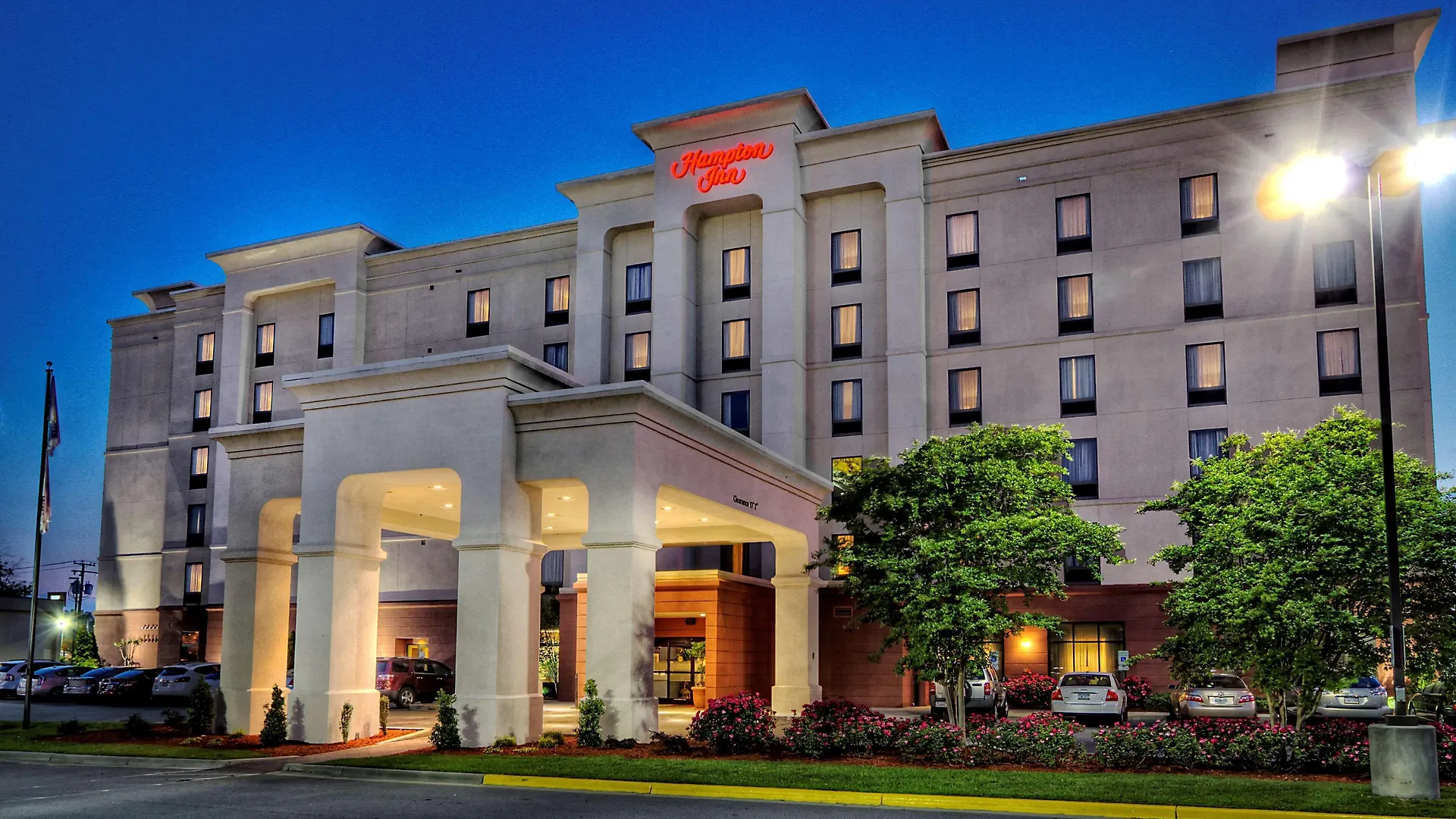
North Carolina spans coastal barrier islands, Piedmont flatlands, and Appalachian foothills - meaning where you stay defines your entire trip. These four hotels stand out specifically for their location ratings, placing guests within reach of key regional attractions, transport corridors, and natural landmarks without the detours that cost you half a day.
What It's Like Staying in North Carolina
North Carolina is one of the most geographically diverse states on the East Coast, stretching from the Outer Banks beaches to the Blue Ridge Parkway - a spread that shapes how you plan your stay. Road travel is the dominant mode of getting around, as intercity rail is limited and most attractions sit off major interstates like I-40 and US-17. Crowd patterns vary sharply by region: coastal areas like Kitty Hawk peak hard in summer, while Piedmont cities like Reidsville and Goldsboro stay manageable year-round with around 30% fewer tourists than the mountains or coast.
Travelers who benefit most from staying here are road-trippers, families seeking space and value, and history buffs drawn to Civil War sites, Wright Brothers history, and Cherokee heritage. Those expecting walkable urban cores or frequent public transit may find North Carolina's car-dependent layout frustrating.
Pros:
- Exceptional geographic variety - coast, piedmont, and mountains within one state
- Hotel value is strong compared to neighboring Virginia or South Carolina resort markets
- Well-maintained highway infrastructure makes multi-city itineraries realistic in a single trip
Cons:
- Nearly every destination requires a car - rideshare coverage outside cities is unreliable
- Coastal towns like Kitty Hawk have very limited dining and activity options in the off-season
- Traffic on US-158 and NC-12 during summer weekends can add significant time to short drives
Why Choose a Well-Located Hotel in North Carolina
In a state where driving is unavoidable, a strategically located hotel isn't a luxury - it's a logistical necessity. Hotels rated highly for location in North Carolina tend to sit directly off major highway exits, near town centers, or adjacent to the natural landmarks that draw visitors in the first place, cutting commute time and fuel costs substantially. Compared to budget motels on the outskirts, well-located 3-star properties here typically run around 20% more per night but eliminate the hidden cost of long daily drives to attractions.
Room sizes at these properties are generally generous by East Coast standards - expect standard kings between 28 and 35 square meters, often with fridges included. Trade-offs can include higher noise near highway-adjacent exits and limited walkability in smaller towns like Reidsville or Goldsboro, where most dining requires a short drive regardless of hotel position.
Pros:
- Proximity to key regional highways reduces daily driving overhead significantly
- Many well-located properties include free parking, which is standard across North Carolina's mid-size cities
- Coastal-positioned hotels provide direct access to beaches, reserves, and water activities without ferry logistics
Cons:
- Highway-adjacent locations can generate noise, especially in smaller towns with less soundproofing infrastructure
- "Well-located" in rural North Carolina still means driving to most restaurants and attractions
- Seasonal demand at coastal locations inflates rates sharply and reduces last-minute availability in summer
Practical Booking & Area Strategy in North Carolina
Positioning your hotel in North Carolina depends entirely on your itinerary anchor. Kitty Hawk and the Outer Banks are the state's most iconic coastal corridor - staying here puts you steps from the Wright Brothers National Memorial and the Cape Hatteras National Seashore, but access is limited to a single highway (US-158), which backs up heavily on summer Saturdays. For inland Piedmont stays, Reidsville sits within an hour of Greensboro, Burlington, and the Virginia border, making it a practical hub for multi-stop itineraries. Goldsboro functions as a gateway to Seymour Johnson Air Force Base, the Cliffs of the Neuse State Park, and the eastern Coastal Plain.
Roanoke Rapids, near the Virginia state line on I-95, is especially useful for travelers doing a longer East Coast drive who need a reliable overnight stop with pool access and solid breakfast. Book coastal hotels at least 8 weeks in advance for June through August stays - availability drops fast and rates climb steeply. Inland properties in Reidsville and Goldsboro offer more flexibility, with availability often open within 2 weeks of arrival even in peak season.
Best Value Stays
These properties deliver strong location scores at accessible price points, covering highway-convenient and inland Piedmont positioning across North Carolina.
-
1. Hampton Inn Roanoke Rapids
Show on map


 Check-infrom 15:00 until 23:59Check-outuntil 12:00
Just a few rooms left at the best rate!
fromUS$ 123
-
2. Holiday Inn Express & Suites Reidsville By Ihg
Show on map


 Check-infrom 16:00 until 23:59Check-outuntil 11:00
Just a few rooms left at the best rate!
fromUS$ 147
-
3. Hampton Inn Goldsboro
Show on map


 Check-infrom 15:00 until 23:00Check-outuntil 12:00
Hurry – almost gone at this price!
fromUS$ 124
Best Premium Stay
For travelers whose itinerary centers on the Outer Banks, this resort-style property delivers direct coastal access alongside facilities that justify a longer stay.
-
4. Hilton Vacation Club Beachwoods Kitty Hawk
Show on map


 Check-infrom 16:00 until 23:59Check-outuntil 10:00
Rooms filling fast – secure the best rate!
fromUS$ 79
Smart Travel & Timing Advice for North Carolina
North Carolina's peak travel season runs from mid-June through late August, when Outer Banks occupancy hits near capacity and rates at coastal properties like Beachwoods climb sharply - sometimes around 40% above spring pricing. Inland properties in Reidsville and Goldsboro see softer seasonal swings, making them viable for spontaneous trips even in July. Fall is the most underrated window to visit: October brings Blue Ridge Parkway foliage crowds but leaves the coast and Piedmont substantially quieter, with lower rates and shorter queues at state parks.
For the Outer Banks specifically, book at least 8 weeks out for any summer stay - Saturday-to-Saturday vacation rentals dominate the market and hotel inventory shrinks fast. For highway-corridor stays in Roanoke Rapids or Goldsboro, last-minute bookings are realistic even within a week of arrival outside summer. A minimum of 2 nights makes sense for coastal stays to justify the drive in; for I-95 corridor stops, single-night bookings are perfectly efficient.


